The music industry – how we reached this point (part one)
In recent conversations with people connected in one way or another with the music industry it has become clear that there are now many people, and not necessarily just young folk, who don’t know how the music industry operated for decades and more importantly how we reached the point we are at now.
By no means were things perfect in the old days but at least the path was clear if not easy. Bands would start off just doing local gigs trying to build up a following. The aim was to get the attention of a label who would sign the band. All music had to be recorded in a studio which wasn’t cheap so having a label who would pay the costs was essential for many.
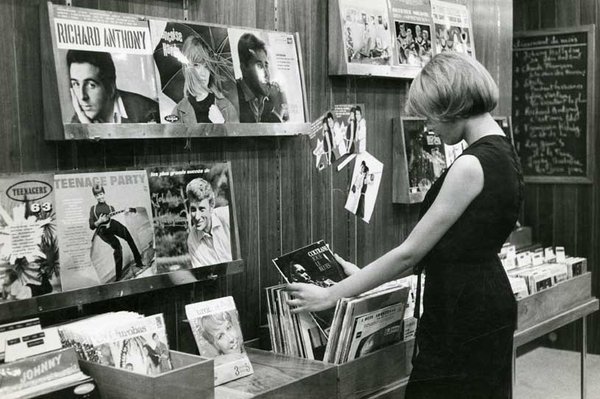
 At the same time all indie labels had distribution which meant that if a band could get some press or national radio play then they could get their release to shops further afield. This is of course where John Peel played such a big part. If your record was any good at all and John played it the next day folk would be in the shops asking for it and shops would be on the phone asking distributors for stock.
Exporters would take any release from an established indie label and again if there was any media exposure at all it wasn’t too hard to start selling copies in Europe and even America. Operating in a completely different world were the major record companies and a lot of the time indie labels were a stepping stone to signing to a major record company.
Radio play wasn’t easy but there was always the hope for a band that John Peel would play their record. Press and reviews wasn’t easy either. Everybody would send their records to the NME, Sounds and Melody Maker with little chance of success but should they get a review it would make a big difference and a record of the week would often lead to a record selling out.
Just to release a single was a big thing. It was possible for a band to do it all themselves and get the release into local shops but certainly not easy. Now over time things changed with big indie labels and proper indie distribution but the basics were still there until the internet arrived. In theory this seemed to be just what bands needed. By now recording music was not such an issue and all a band had to do was make it available online and the world was their oyster.
Lots of labels sprang up run by people who had other full time jobs and little by way of connections in the established music industry and no access to distribution. In theory none of this mattered as these labels would simply make releases available online both digitally and physically and their supporters would write about them on their blogs and play them on their internet radio stations. The orders would roll in !
Of course what has happened is that anybody can claim to have released a single by making a song available online and publicise it on social media with a suitable quote from their friend who has a blog but that doesn’t mean that anybody will even see it never mind care.
Essentially the reality is that not only is it more difficult to get people to hear new music now but should they hear it, and should they like it, then it has never been harder to get them to pay for that music. The problem is this seems to be all the future holds with established bands operating in a different world relying on a fan base created under the old system.
 Everything is now focused on direct to fan sales no matter how established an artist is and truth be told that isn’t working out that well for many. PledgeMusic lead the way in targeting superfans but what has emerged is a culture of trying to make more and more money from a dwindling number of fans.
As with when CDs first came on the scene the vinyl revival has been a godsend to record companies and established bands as they sell people the music they already own again. When they sell fans new music they do their best to sell the t-shirt and the gig ticket as well and then charging extra to sign the vinyl or CD. They maybe even charge a ridiculous amount for a signed “white label”.
If there is to be a way forward it has to be based on things as they are. Bands hold all the cards but generally don’t know how to play them and the people they are trying to reach mostly don’t see any need to pay for music any more.
What I have recently realised is that the big difference between shops selling music, on the high street or online, and bands and labels selling music is that that while the latter sell to fans, shops sell to customers and therein lies the difference and possibly the future.
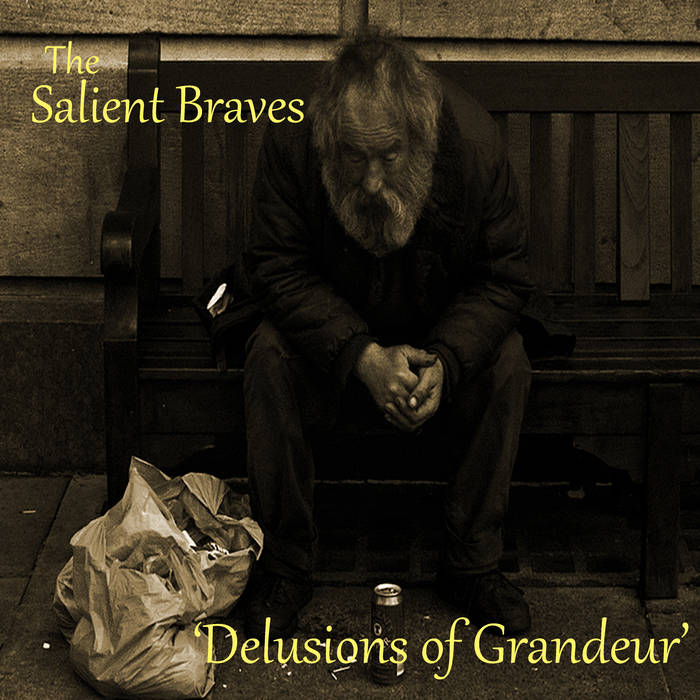 This brings me to The Salient Braves “Barnsley’s best kept secret” and their album “Delusions of Grandeur” which was brought to my attention on twitter. They describe the album as 80s influenced indie and they are not wrong. Fans of the Scottish indie bands of the time the songs don’t rely on generic jangly guitars but instead are more lyric focused and sometimes veer into Half Man Half Biscuit territory.
 Generating income and a building are still key. I’d hoped to have far more in place to help with income before Christmas and even nailing down building options is proving problematic but if we are to be ready in time to complement the museum’s Rip It up exhibition starting in June then we will have to go with what we have in January.

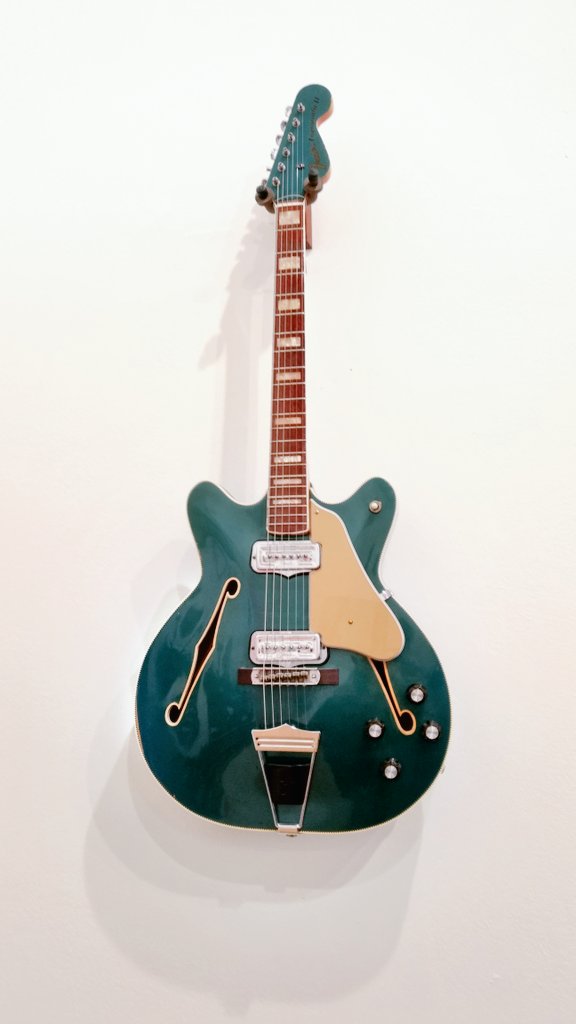


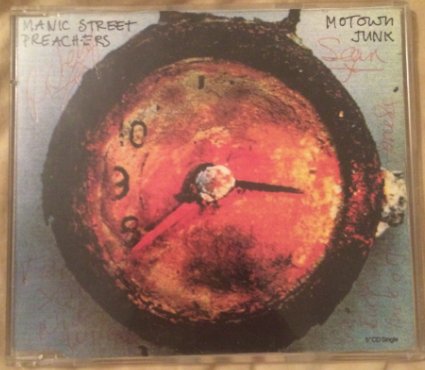
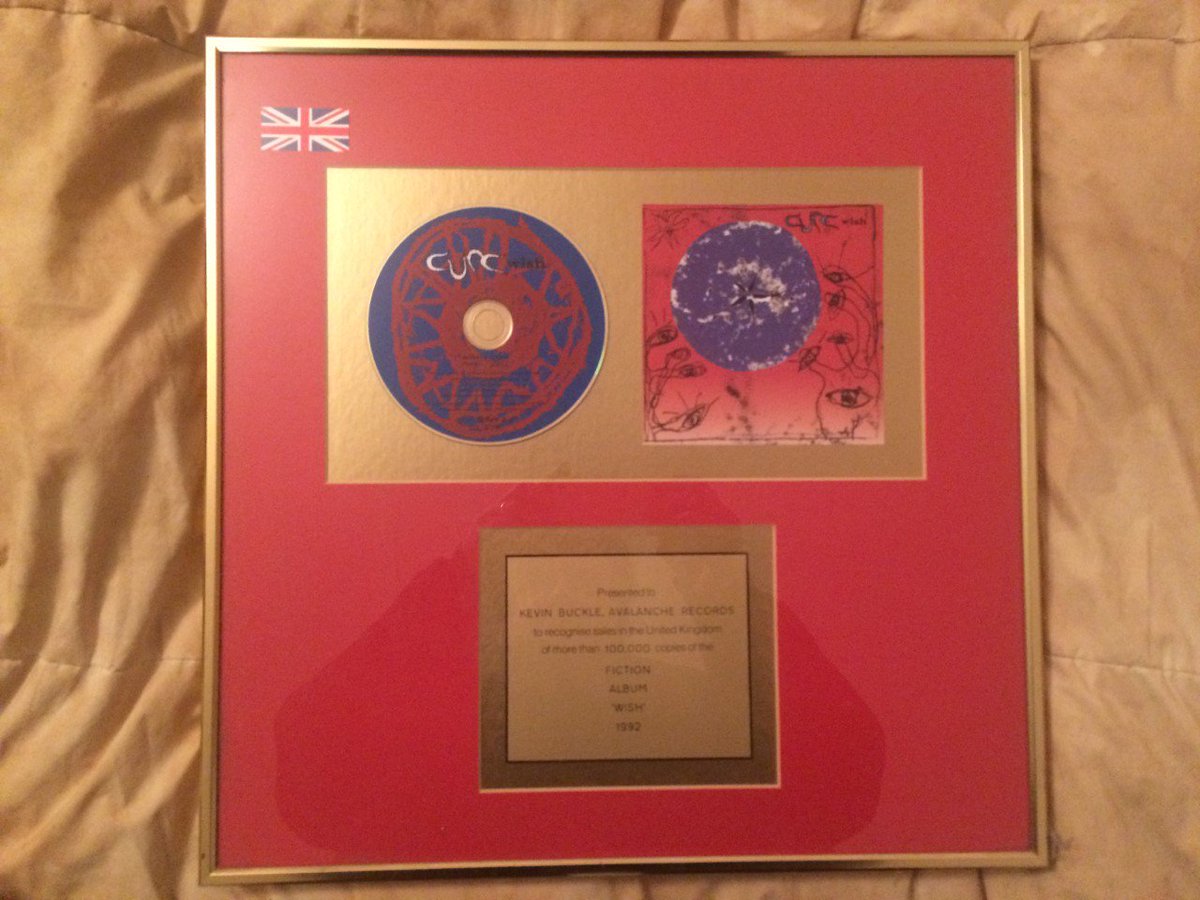
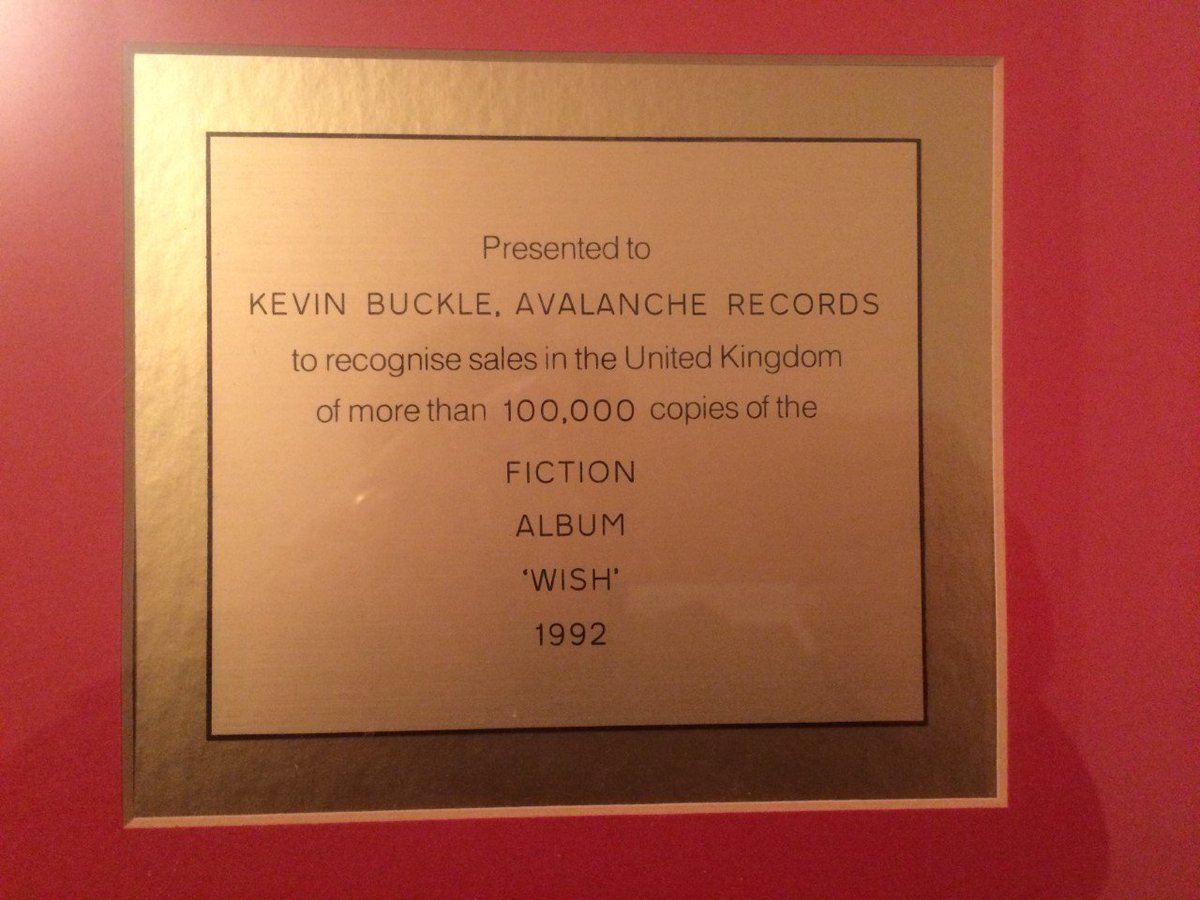
 On the other hand just because you don’t have a lot of retweets or likes doesn’t mean folk aren’t paying attention it is just that most folk don’t feel a need to interact and that of course is absolutely fine. Now being a sad statistician I know how to measure things that don’t as such exist to be measured in a way that is never very accurate but is far better than counting clicks. You can also compare basic available data so for instance I know Avalanche has a far greater reach and engagement than some accounts ten times our size.
 Tweets with a picture are four times more likely to be viewed. Music related things will have several times the click-through rate of the average link. Plus plenty more. There are different approaches. I prefer to make something as interesting as possible so people will click the link while others will make you click to find out anything. The latter is more a clickbait attitude – “you won’t believe what 80s heartthrob looks like now”.

 So moving forward the good news is that for the Scottish Pop Music Exhibition Centre the media and social media could not be in better shape and if sponsors and financial backers recognise that then there is a lot the centre can offer. I’ll continue to try and help artists and make followers aware of gigs and other events but people still need to help themselves and a lot of the work I do is not taken advantage of and there is nothing I can do about that.